Digital Marketing Agency Social Media
Creating scroll-stopping social media content for a digital marketing agency demands more than just a good idea; it requires the right tools to execute that vision with clarity and impact. A well-designed social media post template is one of the most valuable assets in a marketer's toolkit, providing a professional foundation that ensures every graphic aligns with brand standards and captures audience attention. This particular template, optimized for platforms like Instagram and Facebook, is built to make that process seamless, even for those with basic design skills.
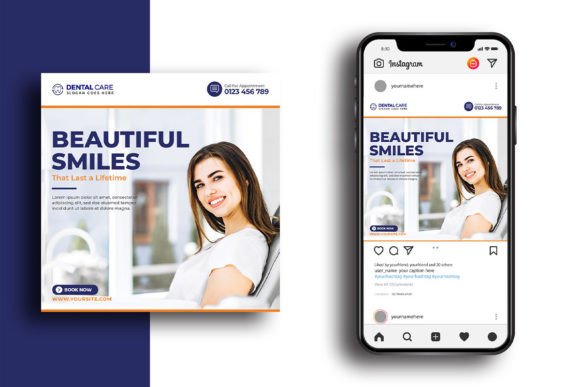
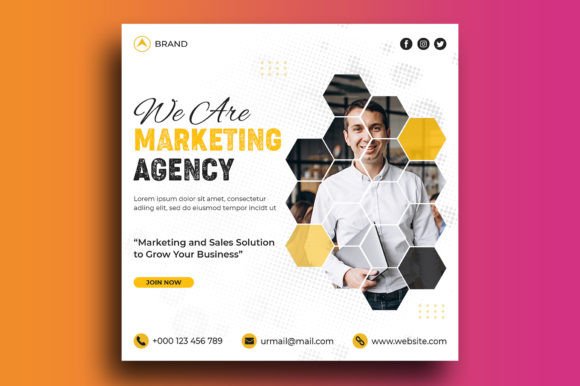
At its core, this is a clean, versatile Social Media Post template designed for efficiency and quality. It’s easy to edit, requiring only a fundamental understanding of Photoshop to swap out text and images. The template features a 1080x1080 pixel canvas at 300 DPI in RGB color mode, ensuring your graphics are sharp and vibrant for digital display. The package includes a single PSD file and utilizes free fonts, though it’s important to note that images used in the preview are not included, allowing you to customize it fully with your own brand photography or licensed assets.
The creative value of a template like this lies in its flexibility. For a digital marketing agency, maintaining a consistent and polished visual identity across all social media channels is non-negotiable. This template acts as a starting point for a wide array of content needs, from announcing a new service or promoting a blog post to highlighting a client case study or sharing an industry insight. Its clean design provides a structured yet adaptable framework, ensuring your message is the focal point while the layout supports it professionally.
Practical Use Cases and Design Flexibility
Consider the common scenarios where this template shines. It’s perfect for:
- Brand Consistency: Use it to maintain a cohesive look across all posts, reinforcing brand recognition with your audience.
- Rapid Content Creation: Quickly produce high-quality graphics for time-sensitive promotions, events, or trending topics without starting from scratch.
- Client Presentations: Showcase proposed social media strategies with mockups that look polished and ready-to-post, enhancing client confidence.
- Team Collaboration: Provide a standardized base for multiple team members to create content, ensuring everyone adheres to the same design guidelines.
Beyond social media, the design principles embedded in a quality template can inform other projects. The thoughtful use of typography, spacing, and hierarchy seen here can inspire assets for digital products, internal presentations, or even quick web graphics. When choosing a design asset, always consider how its mood and style align with your project. A clean, modern aesthetic like this one is incredibly versatile, suitable for corporate communications, tech startups, lifestyle brands, and professional services alike.
Tips for Choosing and Using Design Assets
When selecting any design asset, including a social media template, keep these practical tips in mind:
First, always test for readability. Ensure that any text you add remains legible against various backgrounds and across different device screens. Second, match the asset’s mood to your project’s tone. A minimalist template won’t suit a vibrant, youthful brand, and vice versa. Third, explore font pairing possibilities. While the template includes a recommended font, understanding how different typefaces work together—a serif with a sans-serif, a script with a clean display font—can elevate your designs further. Finally, verify the license to ensure it covers your intended use, whether for personal projects, commercial client work, or merchandise.
The right design asset does more than just look good; it streamlines your workflow, enhances visual consistency, and contributes to a stronger brand identity. It helps your content look more professional, which in turn builds trust with your audience. Choosing a well-crafted template or font is an investment in the quality and efficiency of your creative output, allowing you to focus more on strategy and messaging while the design foundation works for you.